
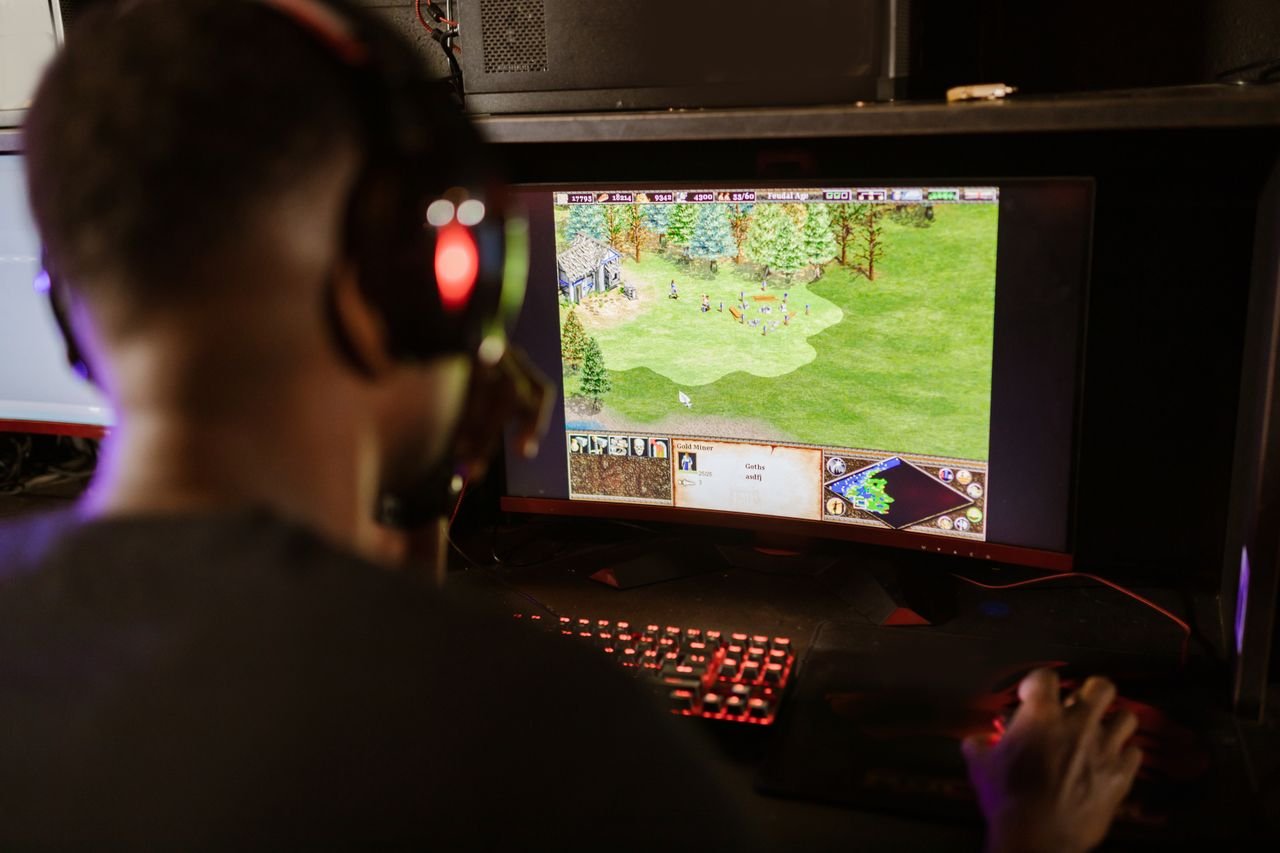
Role-playing games allow players to explore fictional worlds, develop characters, and experience stories through their own decisions. When these experiences move into multiplayer environments, they gain another dimension: interaction with real people. Players can cooperate on quests, create rivalries, exchange resources, and contribute to stories that develop through shared participation.
An RPG gaming server can bring these elements together in a persistent environment where players have opportunities to shape their experiences over time.
Character Development Beyond Basic Gameplay
Character progression is one of the main attractions of role-playing games. Players may develop abilities, acquire equipment, learn professions, and improve their standing within a fictional community. These systems give them clear goals and a reason to return to the game.
However, progression does not always need to focus on combat or statistics. A character might become a respected trader, a skilled craftsman, an experienced explorer, or a trusted member of a particular faction.
These different paths allow players to develop identities that suit their interests. Someone who enjoys solving problems through negotiation may approach challenges differently from a player who prefers direct combat.
When a server supports multiple playstyles, players can contribute in different ways without following exactly the same progression route.
The Importance of a Living Game World
A convincing role-playing environment feels like a place where events continue to matter beyond individual missions. Towns, settlements, factions, and other locations can provide opportunities for exploration and interaction.
For example, a trading settlement might become a meeting point for merchants and travelers. A nearby fortress could serve as the center of a political conflict, while remote wilderness areas might attract explorers searching for valuable resources.
These locations become more meaningful when players have reasons to visit them repeatedly. Community activities, evolving quests, and shared objectives can help create a stronger connection between players and the fictional setting.
Server rules also contribute to this experience. Consistent rules about character behavior, property, combat, and disputes help maintain a recognizable structure within the world.
Cooperation and Social Interaction
Multiplayer role-playing encourages players to work together. A difficult quest might require a defensive character, a healer, and a damage-focused fighter. Other objectives may depend on crafting, exploration, or gathering information.
Cooperation can also extend beyond formal missions. Players might establish trading relationships, build shared settlements, or organize community events. These activities allow people to interact even when they are not pursuing the same immediate objectives.
Communication is essential to successful teamwork. Sharing information, discussing plans, and respecting other players’ contributions can make group activities more rewarding.
Players interested in community-based RPG Gaming Server experiences can explore relevant options and consider which environments best match their preferred style of role-playing.
Before joining a server, it is useful to review its rules, progression systems, supported features, and community expectations. Different servers may emphasize storytelling, combat, survival, or a combination of these elements.
Balancing Freedom With Structure
Freedom is important in role-playing, but a completely unrestricted environment can become difficult to manage. Clear systems help ensure that players understand what their characters can do and how their decisions affect others.
For example, a server might establish procedures for resolving disputes between factions or rules governing interactions between hostile characters. Such guidelines can reduce misunderstandings while still allowing creative storytelling.
New players also benefit from clear introductions. Tutorials, accessible documentation, and helpful community members make it easier to understand the environment and participate confidently.
Creating Long-Term Goals
Long-term goals help maintain interest in a persistent role-playing environment. Players may work toward completing a character’s personal story, establishing a successful business, joining a faction, or constructing a settlement.
Community-wide objectives can create additional motivation. A server might organize a festival, introduce a major quest, or encourage players to cooperate on a large construction project.
The most effective goals provide direction without forcing every player into the same experience.
Conclusion
RPG gaming servers can make fantasy worlds more engaging by combining character progression, social interaction, and shared storytelling. A well-structured environment gives players the freedom to develop their identities while maintaining rules that support a fair and consistent experience. Through cooperation, exploration, and meaningful long-term goals, multiplayer role-playing can become much more than a series of individual missions.
