
Introduction
Best Juane Near Me is a useful search for anyone who wants to enjoy a traditional Peruvian dish without spending too much time searching for the right restaurant. Juane is a popular food from Peru’s Amazon region, known for its seasoned rice, flavorful filling, and traditional leaf wrapping. It is often prepared with chicken, eggs, olives, and local spices, although recipes can vary between families and restaurants.
Finding a good juane is about more than choosing a nearby place. You may want a fresh meal, authentic flavors, a generous portion, and a restaurant that understands the traditions behind this special dish. Some restaurants serve juane throughout the year, while others may offer it mainly during cultural celebrations.
In this guide, you will learn what makes juane special, how to find restaurants that serve it, what to check before ordering, and how to compare prices and delivery options. These practical tips will help you make a better choice and enjoy this traditional Peruvian food.
What Is Juane? Understanding This Traditional Peruvian Dish
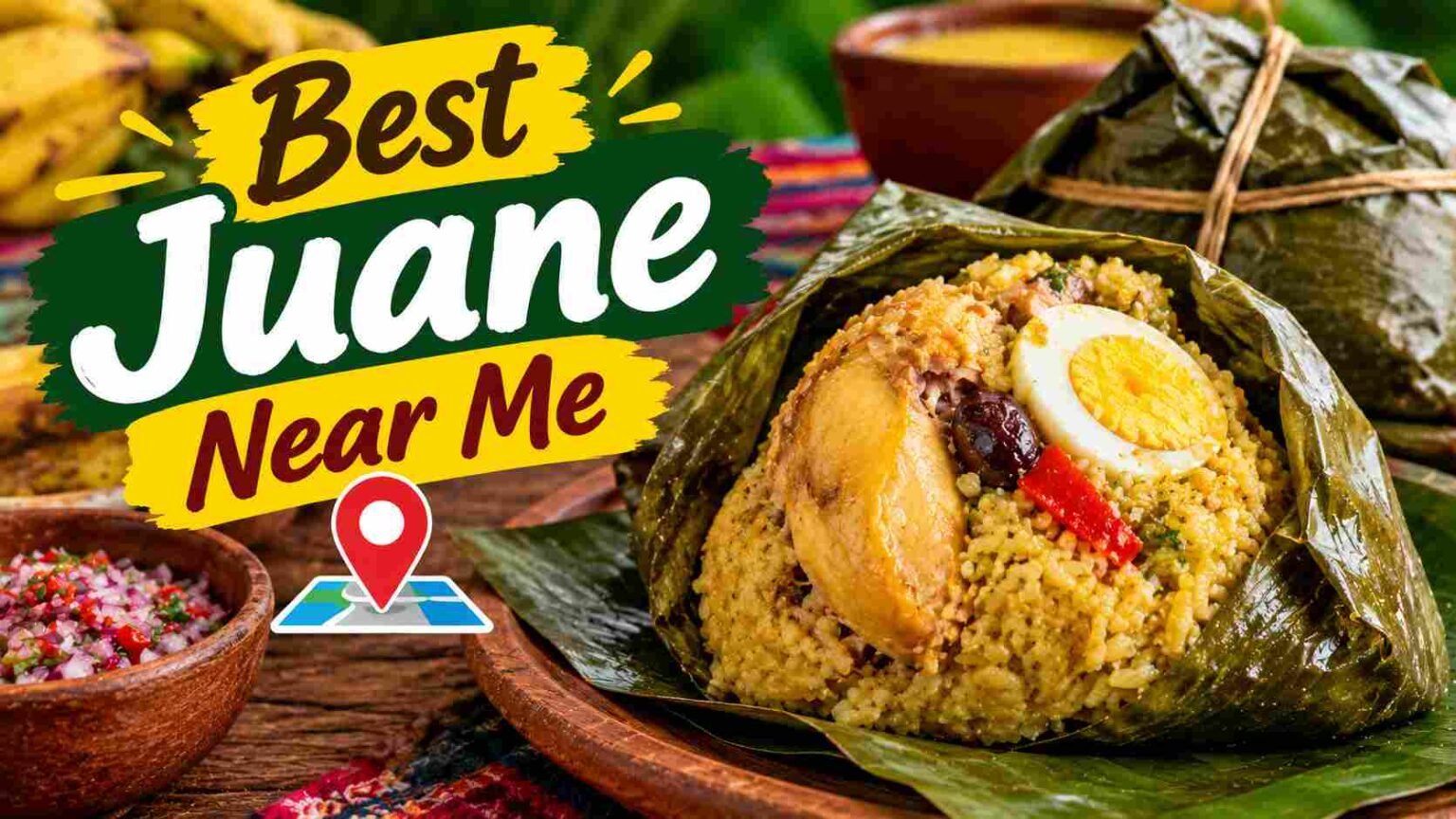
Juane is a traditional dish from the Peruvian Amazon, especially associated with the San Martín region. It is commonly prepared with seasoned rice, chicken, eggs, and spices. The mixture is wrapped in large leaves, often bijao leaves, and cooked until the flavors come together. Its rounded shape and fragrant wrapping make it easy to recognize.
The dish has a strong connection with Amazonian food culture. Families prepare it for everyday meals, gatherings, and special celebrations. Although chicken is a common filling, ingredients and preparation methods can differ from one cook or region to another.Juane is different from an ordinary rice dish because of its cooking method and presentation. The leaf wrapping helps hold the ingredients together and adds a distinctive aroma during cooking. When opened, the package reveals a compact serving of seasoned rice and filling.
Many people enjoy juane because it is filling, flavorful, and convenient to serve. Some versions contain olives or other ingredients that add extra taste. If you are trying it for the first time, asking about the recipe can help you understand what to expect and choose a version that suits your preferences.
How to Find the Best Juane Near Me?
Finding the best juane near you starts with choosing the right search terms. Begin by looking for Peruvian restaurants in your area. If you do not find juane on their menus, try searches such as authentic Peruvian juane near me, Amazonian food near me, or chicken juane near me. These searches may help you discover smaller restaurants and regional food specialists.
Search for Peruvian Restaurants Near You
Peruvian restaurants are a sensible starting point because they may serve traditional dishes from different parts of the country. However, not every Peruvian restaurant offers Amazonian food, so check the menu before making a trip.
Look for Amazonian or Regional Peruvian Cuisine
Restaurants that focus on Amazonian cooking may be more likely to understand traditional juane preparation. Look for descriptions of regional specialties, local ingredients, and traditional cooking methods.
Use Google Maps and Local Restaurant Directories
Online maps and restaurant directories can help you compare locations, customer reviews, photographs, and opening hours. Read recent reviews carefully rather than relying only on an overall rating.
Check Menus and Contact Restaurants
Some restaurants prepare juane only on certain days or during festivals. Check the current menu or contact the restaurant to ask whether it is available, what filling it contains, and how much it costs. Confirming these details before leaving home can save time and help you find a suitable meal.
What Makes a Juane Authentic and Delicious?
A delicious juane should have well-seasoned rice, a satisfying filling, and a pleasant aroma. While traditional recipes differ, the ingredients should work together rather than leave the dish tasting too salty, dry, or oily. Fresh preparation and careful cooking also make a difference.
Fresh, Flavorful and Properly Seasoned Rice
Rice is the main part of many traditional juane recipes. It should have a balanced flavor and a texture that holds together without becoming unpleasantly mushy. Herbs, spices, and other seasonings give the rice its character.
Tender Chicken and Well-Balanced Fillings
When chicken is used, it should be properly cooked and tender. Eggs, olives, and other ingredients may provide additional flavor. The filling should complement the rice instead of overpowering it.
Traditional Bijao Leaf Wrapping
Bijao leaves are commonly used to wrap juane. They help contain the ingredients during cooking and contribute to the dish’s distinctive presentation and aroma. The wrapping is part of the traditional preparation, not simply decoration.
Aroma, Cooking and Balance
A pleasant smell and a properly cooked filling are useful signs of a well-prepared meal. Juane should also feel balanced rather than excessively greasy. No single appearance proves that a recipe is authentic, so consider the taste, preparation, freshness, and restaurant’s knowledge of the dish together.
Popular Types of Juane You May Find Near You
Juane has several variations, and the version available at one restaurant may differ from another. Understanding these differences can help you choose a meal that matches your taste.
Traditional Chicken Juane
Chicken juane is one of the best-known versions. It commonly combines seasoned rice with chicken and other ingredients, such as eggs and olives, before the mixture is wrapped in leaves and cooked. It is a good starting choice for people trying juane for the first time.
Juane Made With Hen or Other Meats
Some recipes use hen instead of chicken, while other variations may include different meats or regional ingredients. The flavor and texture depend on the protein, seasoning, and cooking method. Ask the restaurant about the filling if you have a preference.
Regional Amazonian Juane Variations
Recipes can change across Amazonian communities. Some cooks use different herbs, rice preparations, or fillings according to local traditions and family recipes. These differences are part of what makes regional food interesting.
Modern Restaurant Interpretations
Some restaurants adapt traditional dishes to suit their customers. They may adjust portion sizes, presentation, or ingredients while keeping the basic idea of leaf-wrapped juane. If authenticity matters to you, ask how the restaurant prepares its version rather than assuming every variation follows the same recipe.

How to Choose the Best Juane Restaurant?
Choosing a good restaurant requires more than looking at the nearest result on a map. Consider the food, customer feedback, cleanliness, price, and convenience before placing an order.
Read Customer Reviews That Mention Juane
Look for recent reviews that specifically discuss juane. Comments about flavor, freshness, portion size, and preparation are more useful than general praise that does not mention the dish. Several detailed reviews can give you a better idea of what to expect.
Check Food Photos and Menu Descriptions
Photographs may show the serving size and presentation, while menu descriptions can explain the ingredients. Keep in mind that online pictures may not always represent the current dish, so ask the restaurant if anything is unclear.
Compare Prices and Portion Sizes
A higher price does not automatically mean better food. Compare portion sizes, filling options, and what comes with the meal. Consider whether the serving is suitable for one person or intended for sharing.
Consider Freshness and Hygiene
Choose a restaurant that follows safe food-handling practices and provides clear information about preparation. Chicken and eggs should be cooked properly, and prepared food should be stored safely.
Check Service and Convenience
Opening hours, location, waiting times, and delivery availability can also affect your decision. A restaurant with positive, dish-specific feedback and clear menu information may be a better choice than one selected only because it is nearby.
Juane Prices, Portion Sizes and Value for Money
The price of juane depends on the restaurant, city, ingredients, serving size, and preparation method. A small serving may cost less than a larger meal containing more chicken or additional ingredients. Restaurants that specialize in traditional regional food may also have different prices from general dining establishments.Before ordering, check whether the listed price covers juane alone or includes side dishes, sauces, or drinks. Some businesses may charge extra for delivery, special packaging, or online ordering. These additional costs can affect the final amount you pay.
Portion size is another important factor. A generously filled juane may provide a satisfying meal on its own, while a smaller portion might be better suited to a light lunch. If you are ordering for a group, ask whether the restaurant offers family portions or multiple servings.Because prices vary by location and can change over time, avoid relying on old menu photographs or outdated reviews. Check the restaurant’s current menu or contact the business directly. Comparing the price, freshness, ingredients, and portion size will help you decide whether the meal offers good value for money.
Can You Order Juane for Delivery or Takeaway?
Yes, you may be able to order juane for delivery or takeaway if a nearby restaurant offers it. Availability depends on your location, the restaurant’s menu, and whether the dish is prepared on the day you want it.
Start by checking the restaurant’s own website or ordering service. You can also search a recognized food delivery platform to see whether juane appears on the menu. Before ordering, confirm that the restaurant is currently accepting orders and that the dish is available.Delivery time matters because you want your food to arrive in good condition. Check the estimated arrival time, delivery fee, and packaging information. Leaf-wrapped juane is naturally suited to being packaged as a complete serving, but careful handling is still important.
If you prefer takeaway, ask whether the meal can be collected freshly prepared. You may also want to know whether the restaurant provides reheating instructions if you plan to eat later.When the dish arrives, follow safe food-storage guidance and avoid leaving cooked food at room temperature for long periods. If you are unsure how to reheat it without drying out the rice, ask the restaurant for advice. A little planning can help you enjoy juane at home while preserving its flavor and texture.
What to Know Before Trying Juane for the First Time?
If you have never eaten juane before, expect a savory rice-based dish with a fragrant aroma and a filling that depends on the recipe. Chicken, eggs, olives, herbs, and seasonings are common ingredients, but not every version contains all of them.The outer leaves are generally used to wrap and cook the food. They help keep the ingredients together and contribute to the aroma, but they are not ordinarily eaten. Open the wrapping carefully and place the cooked filling on your plate.
Before ordering, ask which meat is used and whether the dish contains eggs, olives, or any ingredients you need to avoid. If you have a food allergy, explain it clearly and ask about possible cross-contact during preparation. Do not assume that a traditional recipe is suitable for every diet.Juane is not necessarily spicy, although some recipes or accompanying sauces may have a stronger kick. If you prefer mild food, ask about the seasoning before ordering. You can also ask the staff how the dish is traditionally served and whether they recommend any side dishes. These simple questions can make your first experience more enjoyable.
Why is Juane associated with the Festival of San Juan?
Juane is closely associated with the Festival of San Juan, celebrated on June 24 and especially important in Peru’s Amazonian regions. During this celebration, communities gather for food, music, social activities, and cultural traditions. Juane is one of the dishes strongly connected with the occasion.
The dish’s leaf-wrapped preparation makes it convenient to prepare and share during gatherings. Families and food sellers may prepare juane for celebrations, allowing people to enjoy a familiar regional specialty with friends and relatives.The festival also provides an opportunity to learn about the food traditions of the Peruvian Amazon. Recipes passed between generations help preserve local knowledge, cooking skills, and connections with regional ingredients.
June can be a good time to look for special menus, community events, or food celebrations featuring juane. However, the dish is not limited to the festival. Some restaurants and families prepare it throughout the year, while others offer it only on certain occasions.If you want to experience juane as part of a cultural celebration, check local event announcements and restaurant schedules in advance. This can help you find a meal that offers both traditional flavor and a stronger understanding of its cultural importance.
Juane Compared With Other Peruvian Dishes
Peruvian cuisine includes many dishes with different ingredients, textures, and cultural influences. Juane stands out because it combines seasoned rice and filling inside a leaf wrapper, while other popular foods use different cooking methods.
| Dish | Main ingredients or style | Key difference |
| Juane | Seasoned rice, often chicken and egg | Traditionally leaf-wrapped |
| Ceviche | Fish or seafood with citrus | Fresh, citrus-marinated dish |
| Lomo saltado | Beef, vegetables, and fries | Stir-fried dish |
| Tacacho con cecina | Plantain and smoked pork | Classic Amazonian combination |
| Arroz chaufa | Stir-fried rice | Peruvian-Chinese influence |
Ceviche is known for its bright citrus flavor, while lomo saltado combines meat and vegetables in a hot stir-fry. Tacacho con cecina is another popular Amazonian food, bringing together plantain and pork. Arroz chaufa offers a different experience through its fried-rice preparation.If you enjoy hearty rice dishes, juane may be an appealing option. Its traditional wrapping, aromatic preparation, and connection with Amazonian culture make it different from many other Peruvian meals.
Frequently Asked Questions
1. Is juane a good option for lunch?
Yes. Juane is often filling enough to serve as a complete lunch because it combines rice with a protein and other ingredients. The right portion depends on your appetite and the restaurant’s serving size.
2. Can I find a vegetarian juane?
Some cooks may offer vegetarian versions, but traditional recipes often include chicken or other meat. Ask the restaurant whether a meat-free version is available and check whether the rice or seasonings contain animal-based ingredients.
3. How should leftover juane be stored?
Refrigerate leftovers promptly in a suitable container and follow food-safety guidance for cooked rice and meat. Reheat the food thoroughly before eating, and avoid keeping cooked food at room temperature for extended periods.
4. Can juane be suitable for children?
It may be suitable for children who enjoy rice and the ingredients used in the recipe. Check the seasoning, portion size, and any ingredients that could cause allergies before serving it.
5. What should I ask when ordering juane for a group?
Ask about serving sizes, available fillings, advance-order requirements, and the total price. If you are ordering several portions, confirm the pickup or delivery time so the food arrives together and in good condition.
Conclusion
Finding the Best Juane Near Me becomes easier when you know what to look for. Start by searching for Peruvian and Amazonian restaurants, then check their menus, recent customer reviews, and food photographs. Contact the restaurant to confirm availability, ingredients, prices and opening hours before visiting or placing an order.Pay attention to the quality of the rice, the filling, the cooking method, and the restaurant’s understanding of traditional jaune. Compare portion sizes and delivery options to choose a meal that fits your needs and budget.Juane offers more than a satisfying meal; it also introduces you to an important part of Peruvian Amazonian food culture. Whether you are trying it for the first time or returning to a favorite recipe, choose a restaurant that values freshness, flavor, and careful preparation. A little research can help you enjoy an authentic and memorable experience.
