
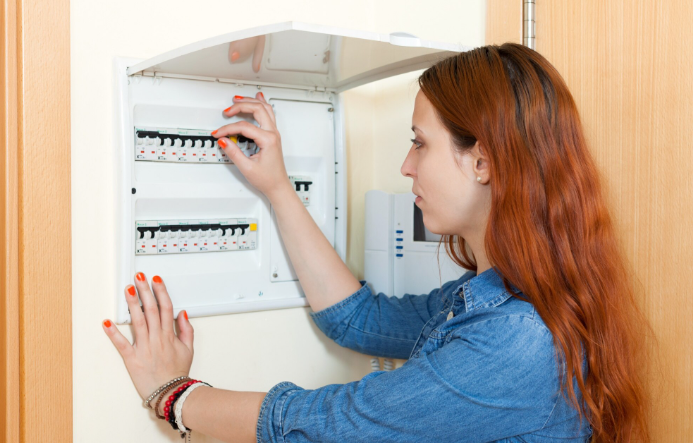
An electrical switchboard plays an important role in keeping a property’s power supply organised and protected. It distributes electricity to different circuits throughout the home and contains protective devices designed to respond to electrical faults. However, older switchboards may not provide the level of protection or capacity required by modern households. If your property still relies on outdated fuses or has limited safety switches, upgrading an old switchboard may be worth considering.
Modern homes use more electrical appliances and equipment than ever before. Air conditioners, ovens, washing machines, computers, entertainment systems and other devices all place demands on the electrical system. An ageing switchboard may struggle to accommodate additional circuits or provide suitable protection when problems occur.
A professional assessment can help determine whether your existing switchboard needs repairs, additional safety devices or a complete replacement.
What Is an Electrical Switchboard?
An electrical switchboard is the central point where electricity entering a property is distributed to individual circuits. It contains switches and protective devices that help manage the electrical supply and respond to certain faults.
Each circuit generally supplies a particular part of the property or a group of electrical appliances. For example, separate circuits may serve power points, lighting, kitchen equipment and air conditioning.
Older switchboards may contain ceramic rewirable fuses, outdated circuit breakers or limited safety switch protection. Modern switchboards can use circuit breakers and residual current devices, commonly known as safety switches. Some installations use combination devices called RCBOs, which provide both overcurrent and residual current protection for individual circuits.
The most suitable arrangement depends on the property’s electrical installation, existing wiring and applicable requirements.
Signs Your Old Switchboard May Need an Upgrade
There are several signs that an older switchboard should be inspected by a licensed electrician. One common indicator is the presence of ceramic fuses. These older components may offer less convenience and flexibility than modern protective devices.
Frequent circuit interruptions are another reason to arrange an inspection. If the power regularly trips when several appliances are operating, the issue could involve an overloaded circuit, faulty equipment or an electrical fault. Replacing the switchboard alone may not resolve the underlying problem, so proper testing is important.
A lack of safety switches is also worth investigating. Safety switches are designed to disconnect electricity when they detect certain current leakage conditions, helping reduce the risk of electric shock.
Other warning signs include burning smells, unusual buzzing, visible damage, scorch marks, excessive heat or discoloured components. If you notice these problems, do not open or attempt to repair the switchboard yourself. Keep away from the equipment and contact a licensed electrician promptly. If there is smoke or fire, move to safety and contact emergency services.
Why Consider Upgrading an Old Switchboard?
One important reason to upgrade an old switchboard is to improve electrical protection. Modern protective devices can provide more appropriate responses to certain electrical faults, depending on the installation and equipment selected.
An upgrade can also make the electrical system easier to manage. Clearly labelled circuits and modern breakers help occupants identify which part of the property is affected when a circuit trips.
Additional capacity may be another consideration. Homeowners installing new appliances, air conditioning, electric vehicle charging equipment or other electrical systems may need changes to the existing switchboard. An electrician can assess whether the board and incoming electrical supply are suitable for the proposed additions.
Modernising the switchboard may also make future electrical work easier to plan. However, a new switchboard does not automatically mean that every part of the property’s wiring is in good condition. Existing cables, connections and earthing arrangements should be assessed as part of the work.
Circuit Breakers and Safety Switches Explained
Circuit breakers and safety switches perform different protective functions. Understanding the distinction helps homeowners make informed decisions about switchboard improvements.
Circuit breakers protect electrical circuits against excessive current caused by overloads and short circuits. When a problem occurs, the breaker disconnects the affected circuit to help prevent damage and overheating.
Safety switches, or residual current devices, monitor the flow of electricity and disconnect the supply when they detect an imbalance that may indicate current leakage. This helps reduce the risk of serious electric shock.
An RCBO combines both functions in one device. It can provide individual protection for a circuit, depending on the switchboard design and installation requirements.
A licensed electrician can explain which devices are suitable for the property and whether existing circuits have the required protection.
What Happens During a Switchboard Upgrade?
The process generally begins with an inspection of the existing electrical installation. The electrician checks the switchboard’s condition, identifies the protective devices already installed and assesses the available space and circuit arrangement.
They may also inspect the wiring, earthing system and other components that affect the safety and suitability of the installation. If the property has outdated or damaged wiring, additional work may be required.
Once the scope has been confirmed, the electrician can recommend an appropriate replacement board and protective devices. The installation may involve removing old equipment, fitting the new enclosure, reconnecting circuits, installing protection and labelling each circuit clearly.
Testing is an essential part of the process. The electrician should carry out the required electrical tests to confirm that the completed installation operates safely and meets applicable standards.
Homeowners should receive the relevant documentation for the work, including an electrical certificate or other compliance paperwork required in their state or territory.
How Much Does It Cost to Upgrade an Old Switchboard?
The cost of upgrading an old switchboard depends on the property’s electrical setup and the amount of work involved. A straightforward replacement may cost less than a project requiring additional wiring, repairs or changes to the incoming supply.
The size of the switchboard, number of circuits, type of protective devices and condition of existing components can all influence the quotation. Access difficulties and additional electrical work may also affect the final price.
Before approving the project, request a written quotation that explains the work included, equipment being installed, testing arrangements and any possible additional costs.
It is sensible to compare more than one quotation, provided each electrician is pricing a similar scope of work. A low price should not be the only deciding factor. Proper installation, suitable equipment and clear documentation are important considerations.
Why You Should Hire a Licensed Electrician
Switchboard work involves direct contact with electrical equipment and can expose people to serious hazards. It should never be treated as a DIY project.
In Australia, electrical installation work must be carried out by appropriately licensed or registered electrical workers, according to the requirements of the relevant state or territory. A qualified electrician can identify potential faults, recommend suitable equipment and complete the necessary testing.
They can also determine whether the existing installation has issues that need attention before a new switchboard is connected. This is particularly important in older homes, where ageing cables or previous electrical modifications may affect the work.
When choosing an electrician, check their licence, insurance and experience with switchboard upgrades. Ask for a clear explanation of the recommended work and confirmation that the installation will comply with applicable electrical requirements.
Does an Old Switchboard Always Need Replacing?
Not necessarily. The age of a switchboard alone does not determine whether it must be replaced. Some older boards may remain serviceable, while others may have damaged components, inadequate protection or insufficient capacity.
A licensed electrician should inspect and test the installation before recommending a replacement. In some situations, adding suitable protective devices or completing a specific repair may be sufficient. In other cases, replacing the entire board may be the more practical option.
It is also important to understand that Australian electrical requirements apply when certain alterations are made or a switchboard is replaced. Under AS/NZS 3000:2018, replacing all circuit protection on a switchboard requires the applicable RCD protection to be provided for the final subcircuits supplied by that board. A licensed electrician should assess the installation to determine the work required to meet current standards and local regulations.
Final Thoughts
Upgrading an old switchboard can be an important step towards improving electrical protection, organising household circuits and preparing a property for changing power needs. Outdated fuses, limited safety switch coverage, recurring electrical problems and plans to install new appliances are all reasons to arrange a professional assessment.
The right solution depends on the condition of the existing installation, rather than age alone. By engaging a licensed electrician, comparing clear quotations and ensuring the completed work is properly tested, homeowners can make a more informed decision about their property’s electrical system.
To discover more informative content, helpful guides, and fresh perspectives across different subjects, explore World Fame Blogs.
