

Search for adrian higham net worth and the answers circle the same figure: about £1 million. No official total exists, because the man himself has never published one, and this profile keeps every estimate attached to the kind of source that printed it.
The pattern matches our Clay Cooper net worth profile: the lasting money sits with the person who owns the business, not only with the person seen on screen. Higham owns the shop, the stock and a director’s stake in the company behind them, after more than three decades of dealing at markets, salerooms and French brocante fairs.
What follows separates the two kinds of information. His birth month, his company filings and his years on BBC One sit in official registers and named reporting. His fortune does not, because a micro-company’s accounts and a dealer’s stock book are never published in full.
Quick Answer
Quick Answer: Adrian Higham net worth has no disclosed figure. Published estimates centre on about £1 million, within a £500,000 to £1.5 million spread, built on Hoof Brocante, his company HOOF4U Ltd and his years as a dealer on BBC One’s The Bidding Room.
Adrian Higham at a Glance
| Detail | Information |
|---|---|
| Full name | Adrian Higham, known as Adi Higham |
| Born | September 1967 (Companies House register); day reported as 4 September |
| Age | 59 in 2026 |
| Work | Antiques dealer and television dealer |
| Known for | The Bidding Room (BBC One); Hoof Brocante |
| Wife | Tara Franklin, his business partner |
| Based | Brookland, Romney Marsh, Kent |
| Net worth | No disclosed figure; estimates centre on about £1 million |
Read the table in two halves. The birth month, the directorship and the shareholding sit in the Companies House register, where anyone can check them today, free of charge. The money row is a spread of outside estimates, and it is labelled that way here.
Who Is Adrian Higham?
Adrian Higham is a British antiques dealer known to television viewers as Adi, one of the original dealers on BBC One’s daytime series The Bidding Room. He joined the programme at its launch in June 2020 and became one of its most recognisable faces, bidding on everything from vintage toys to French furniture.
Off screen he runs Hoof Brocante, the antiques business he owns with his wife, Tara Franklin, from a former RAF base at Brookland on Romney Marsh. The Antiques Trade Gazette has described the business as owned by the couple, and Companies House lists both as directors of the company behind it, HOOF4U Ltd.
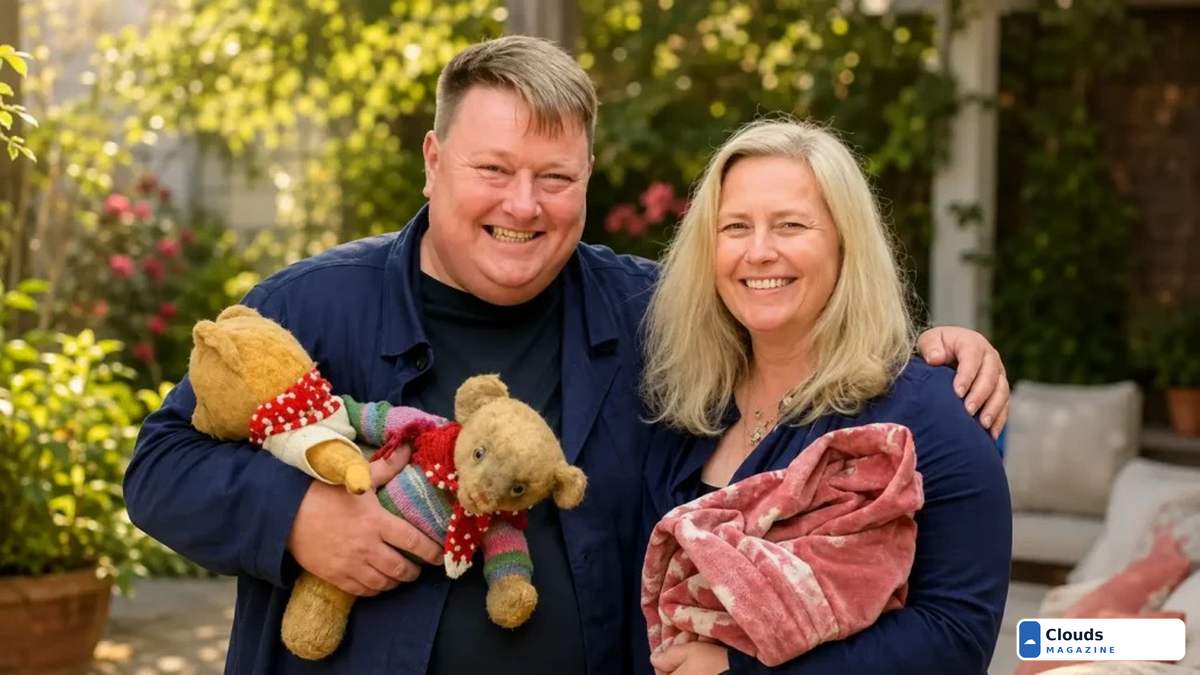
His tastes run wide: French decorative pieces, rustic furniture, architectural salvage, mechanical toys and anything, as Radio Times put it, that puffs steam or smoke. That breadth made him a natural fit for a programme where the next item through the door is never predictable, which is precisely why the producers kept him.
Adrian Higham Net Worth: Estimated Figures Explained
No official figure for Higham’s wealth exists, and nothing in the public record can produce one. His company files micro-entity accounts, which strip a balance sheet down to a few lines, and a dealer’s real asset — his stock — is never valued in public at all.
What circulates instead is a spread of estimates of adrian higham net worth from entertainment sites. Most settle on about £1 million; a detailed June 2026 profile in The Londoner worked through the company records and placed him inside a £500,000 to £1.5 million range, taking £1 million as the reasonable midpoint.
Wider claims exist at both ends. Several profiles put him between £750,000 and £1 million, one American site says $3 million without records behind it, and the widest range printed runs from £1 million to £3 million. None of those figures comes with a document attached, and none was ever confirmed by the man himself.
| Published estimate | Where it sits |
|---|---|
| About £1 million | The most common estimate across profiles |
| £500,000 to £1.5 million | Range in the June 2026 Londoner profile |
| £750,000 to £1 million | Range printed by several UK profiles |
| Up to £3 million | Widest claims, printed without records |
Primary Income Sources Behind Adrian Higham’s Wealth
The income underneath the estimates is easier to describe than the total. Unlike a salaried presenter, a dealer earns in layers: stock bought well, held patiently and sold to the right buyer, with television fees and private valuations added on top of the shop’s own trade.
A touring comedian such as Andrew Santino earns by turning up; a dealer earns by owning. Higham’s money has always come from things he holds — furniture, toys, textiles and salvage — rather than from a wage anyone can look up.
- Retail sales through Hoof Brocante, from the Brookland site and its open weekends
- Private sales to collectors and interior designers, often at stronger margins
- Television fees from The Bidding Room and related BBC One appearances
- Valuations and consultancy, where collectors pay for his eye directly
A third layer sits between the two: the events and open weekends that turn a warehouse of stock into a destination. Visitors who first saw the face on television arrive ready to buy, and a dealer’s own premises charge no commission to anyone.
How Television Boosts Adrian Higham Net Worth
The Bidding Room arrived in June 2020, made by Ricochet, the company behind The Repair Shop, and adapted from the German format Bares für Rares. Nigel Havers hosts, valuer Simon Bower advises the sellers, and five dealers then bid against each other for each item brought in by the public, who can accept a deal or take the item home.
Higham was one of the original dealers and appeared across the early series, in roughly forty episodes by most counts. Profiles also credit him with appearances on BBC One’s The Vintage French Farmhouse in 2023, filmed in Provence, where his French buying experience and language gave him an edge.
No dealer fee for the programme has ever been published, so the fee itself cannot be the story. The measurable effect is the halo: viewers became customers, the shop’s name travelled nationwide, and a regional dealer’s stock suddenly had a national audience behind it — the same television effect traced in our Taylor Sheridan net worth profile.
Auctioneering and Its Financial Impact
One correction is worth making plainly: Higham is a dealer, not a rostrum auctioneer, and no source shows him holding a gavel for a living. Auction rooms matter to his finances from the other side of the bid — as the places where dealers buy.
His own start came in a saleroom, and village auctions, car boot sales and French brocante markets stayed his buying ground for thirty years. Every margin in the business begins there: an item bought for less than a later buyer will pay is the whole model in one sentence.
The discipline is leaving headroom. A dealer who wins every lot he wants usually pays too much for the privilege, so the skill sits in the bids he walks away from. Thirty years of walking away at the right moment is a financial strategy, not a temperament; it is bookkeeping done at speed.
Assets and Investments: More Than Cash
The largest asset is almost certainly stock. Three decades of French furniture, toys, signage and salvage, held across two buildings on the Brookland site and refreshed by buying trips most months, represent money in physical form — valuable, saleable, and impossible for an outsider to price without walking the aisles with a notebook and a torch.
The company layer is on the record. Companies House lists Higham as a director of HOOF4U Ltd since 13 June 2014 and as a person with significant control, holding a stake the register bands at over a quarter and up to a half of its shares and voting rights. Tara Franklin holds the same band.
Beyond stock and shares, the trail goes quiet, and this profile leaves it quiet. No property portfolio, investment account or savings figure for Higham appears in any reliable record, and the micro-entity accounts his company files are not required to show one.
Lifestyle Insights: Does Adrian Higham Live Lavishly?
Nothing in the record suggests a lavish public lifestyle. The visible spending is the business itself: buying trips to France, stock for the buildings, and the slow turnover of a brocante. His social posts show gardens, workshops and objects he could not sell, half of which, he jokes, end up at home.
His own words point the other way. Announcing his step back from television and social media in July 2025, he wrote that working on TV had been a dream, added “But wish I hadn’t”, and said his life with Tara now becomes private. Privacy, not display, is the stated preference.
The newest chapter fits that reading. In November 2026 he told followers the brocante business at the site would stop, with the buildings converted into studios — one for Tara’s textiles and painting, one for his own art — and the remaining stock cleared at open events.
How Adrian Higham Compares to Other Antiques Experts
Most daytime antiques faces are salaried experts, employees of a format, or dealers like Higham; almost none of them publishes a personal balance sheet. That is why estimates for the whole trade cluster in the same broad band, built from business size and years worked rather than documents.
Higham’s position inside that band rests on ownership. The pattern matches the family-business economics behind Danny Go: the durable money sits with whoever owns the operation and its stock, not with whoever is booked to appear in front of a camera.
There is a second difference: range. A specialist in one narrow field depends on that field’s fashion cycle, while a dealer known for toys, furniture, textiles and salvage can sell into whichever market is warm. Breadth is a hedge, and his was built before television arrived.
Industry Trends Affecting Adrian Higham Net Worth
The trade around him has moved online. Salerooms stream auctions, dealers sell through social platforms, and television programmes feed both. A dealer with a recognisable face and a photogenic stock of French pieces is better placed for that market than an anonymous shop, whatever the high street does to rents and rates, and search traffic follows the programmes.
The counterweight is cost and paperwork. Small companies carry rising overheads, and HOOF4U Ltd’s own filings show the administrative side slipping in 2026, with accounts and a confirmation statement both overdue at Companies House — a reminder that the register records process, not profit.
Repeats keep working for him meanwhile. The Bidding Room has continued with new dealers into its eighth series in 2026, and the early episodes still circulate, keeping his face and the Hoof Brocante name in front of buyers years after he stopped filming.
Lessons From Adrian Higham’s Financial Journey
The first lesson is the start itself: a £10 bicycle, sold for £90 at a village auction when he was about twenty-one, taught him the only rule the next thirty years kept repeating. Buy what you understand, sell to someone who wants it more, and let the margin compound quietly.
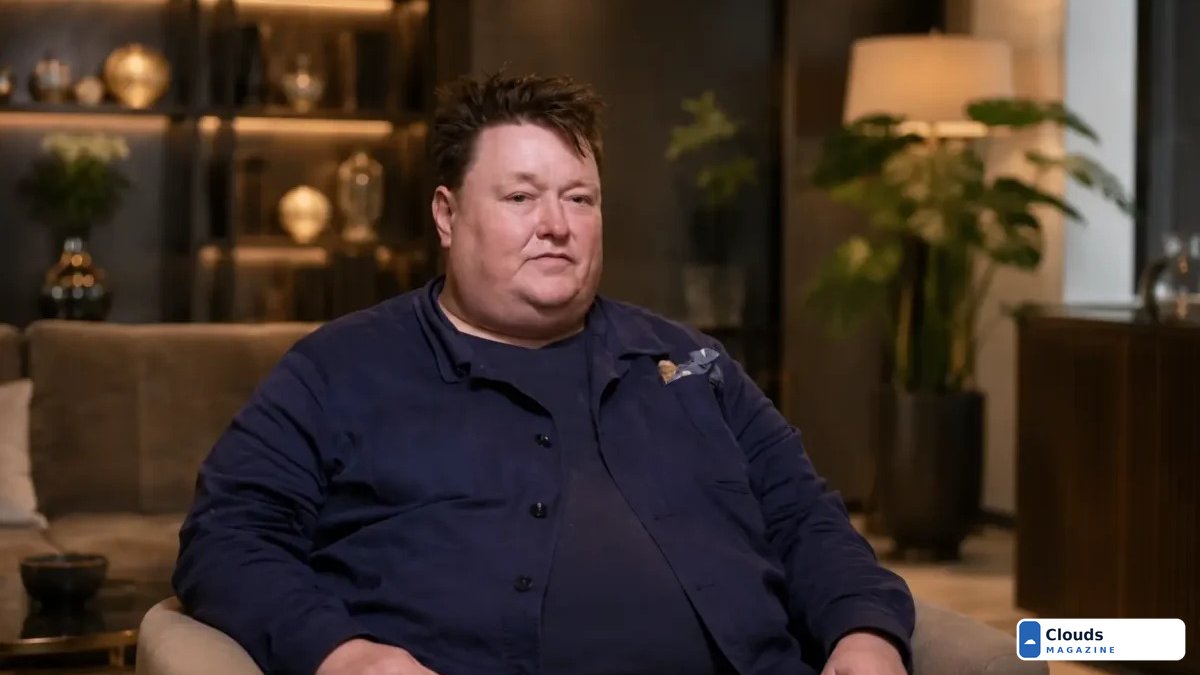
The second is patience as a pricing strategy. Hoof Brocante’s model — holding stock for the right buyer instead of discounting to move it — turns time into margin. The third is ownership: of the shop, the stock and a director’s stake in the company that holds them.
Diversification is the quiet fourth lesson. Toys, furniture, textiles and salvage rarely fall out of fashion in the same season, and a business spread across all four can keep trading through a weak year in any one of them. His stock list reads like a hedge.
What Is Verified and What Is Not
- Confirmed: director of HOOF4U Ltd since 13 June 2014, per Companies House; birth month September 1967 on the same register
- Confirmed: person with significant control of HOOF4U Ltd, holding more than 25% but not more than 50% of its shares and voting rights; Tara Franklin holds the same band
- Confirmed: one of the original dealers on BBC One’s The Bidding Room from its June 2020 launch (Radio Times dealer profile)
- Confirmed: a strike-off application for HOOF4U Ltd was filed in July 2026 and the strike-off action was suspended in August 2026; the company remains active
- Reported: born on 4 September 1967 (the day appears in profiles; the register records the month and year only)
- Reported: a nine-month hospital spell with a serious back injury, and a fan petition for his return in April 2024
- Estimated only: every net worth figure, centring on about £1 million across profiles
- Not published: his television fees, his salary or drawings, and any audited statement of personal wealth
The career can be printed with the register and the Radio Times attached. The fortune can only be printed as a range of attributed estimates, so adrian higham net worth has no single settled answer — and the 1968 and 1969 birth years printed elsewhere fail against the register’s September 1967.
FAQs
What is Adrian Higham’s net worth?
There is no disclosed figure. Most profiles estimate about £1 million, a detailed June 2026 profile put the range at £500,000 to £1.5 million, and the widest claims reach £3 million without records. His company files micro-entity accounts, so no public document settles it.
How does Adrian Higham make his money?
Mainly by dealing: buying French decorative antiques, furniture, toys and salvage, then selling through Hoof Brocante and to private collectors. Television fees from The Bidding Room and related programmes, plus paid valuations, sit on top of the shop’s trade.
Is Adrian Higham still on Bargain Hunt?
No — and he never was a Bargain Hunt expert. Higham is a dealer from The Bidding Room, a different BBC One programme with a different format. He stopped filming that series some years ago and announced a step back from television in July 2025.
Does Adrian Higham own an auction house?
No auction house ownership is on record. He is a dealer who buys at auctions and markets, and his business sits inside HOOF4U Ltd, the company behind Hoof Brocante, where Companies House lists him as a director and part-owner.
What makes Adrian Higham successful?
Thirty years of buying well, a wide taste that runs from toys to French furniture, and a reputation for straight valuations. Television widened his audience, but the profiles agree the dealing, not the fame, built the business underneath the estimates, and a partnership that shares the work.
Conclusion
Adrian Higham’s story is a slow build done in one place: a trade learned at Kent village auctions, a Romney Marsh business built with his wife, and a late, brief spell of national fame he chose to end. The fortune attached to it stays an estimate, because the records that could settle it were never designed to be public.
For the programme that made his face familiar, the The Bidding Room dealers profile published by Radio Times at the launch still reads as the neatest introduction. Until Higham publishes figures of his own, adrian higham net worth stays a range of attributed estimates around £1 million.
